Topic
U.S. Economy & the Fed
Inflation, interest rates, jobs data, and the Federal Reserve.
8 stories in the last 60 days
 Treasury markets whipsaw as new Fed Chair Kevin Warsh fumbles inflation-gauge question
New Federal Reserve Chair Kevin Warsh gave a muddled answer during recent testimony on which inflation gauge the Fed actually targets, and Treasury markets have responded by openly challenging his approach rather than falling in line behind it. The New York Times and DNyuz both describe investors as actively testing Warsh's credibility on inflation-fighting, a notable shift from the deference typically extended to a sitting Fed chair. The Financial Times renders the harshest verdict: Warsh is confusing markets, not guiding them. The episode adds an early credibility problem to Warsh's tenure just as the Fed needs clear signaling to anchor rate expectations.
 Stock markets slide on recession and inflation fears
Stock markets fell broadly as investors weighed mounting fears of a recession alongside persistent inflation pressure. The sell-off has been widespread, hitting shares beyond just the sectors most sensitive to rate expectations. It also arrived the same week a group of AI industry figures signed a joint safety letter following a security incident involving an OpenAI model, a coincidence some traders linked to broader jitters over AI-sector risk, unsettling AI-linked chip stocks in the process. Investors are now trying to separate the macro recession story from AI-specific volatility as both narratives compete for attention.
- BoE and Fed both hold rates steady as Iran-linked inflation risk complicates outlook
Central banks on both sides of the Atlantic held interest rates steady this week, with policymakers citing new inflation risk from the Iran escalation as a complicating factor for future moves. The Bank of England opted for continuity, while the Federal Reserve's hold reflects similar caution about imported energy-price shocks. Neither institution committed to a specific timeline for its next move, leaving markets to parse the language for signals. The decisions illustrate how a regional conflict thousands of miles away is now a direct input into rate-setting on two continents.
 US GDP growth slows to 1.5% in Q2, missing expectations
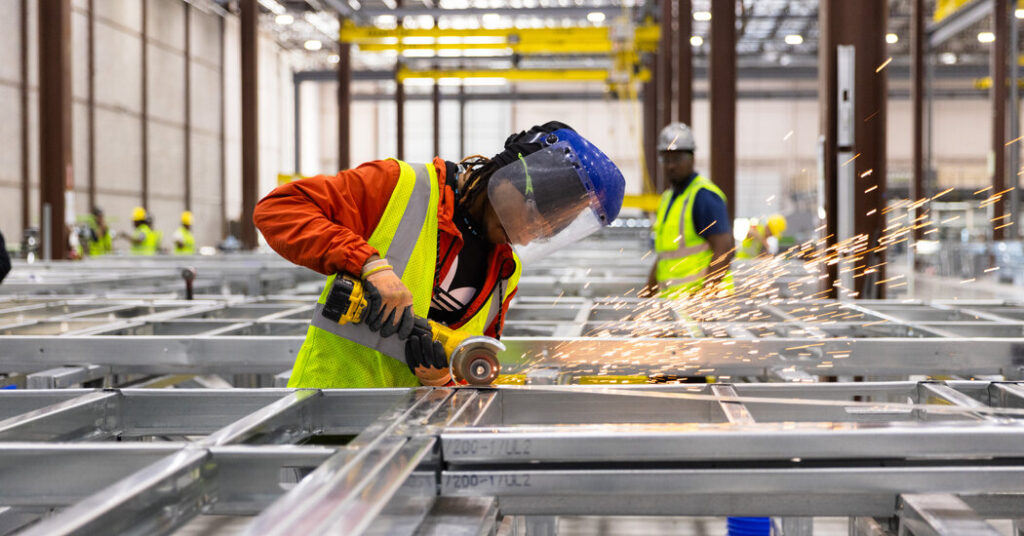
US economic growth slowed to a 1.5% annualized rate in the second quarter, coming in below economist expectations and adding to signs the post-pandemic expansion is cooling. The miss raises the stakes for upcoming Fed decisions, since a weaker growth trajectory alongside persistent inflation narrows the central bank's room to maneuver on rates. The slowdown isn't uniquely American: Italy's statistics agency reported second-quarter GDP growth of just 0.2%, underscoring that developed economies broadly are losing momentum this year. Neither report specifies which sectors dragged most on the US figure, leaving the composition of the slowdown — consumer spending versus business investment — unclear.