Topic
Trump Administration
Policy, personnel, and controversy from the Trump White House.
44 stories in the last 60 days
 Capital One closes Trump Organization's winery, golf and water-brand accounts over money-laundering probe
Capital One severed ties with several Trump Organization entities — including a winery, a bottled-water brand and a golf-course developer — citing findings from an anti-money-laundering review. The move revives a dispute that first surfaced in March, when U.S. District Judge Roy Altman dismissed an earlier version of a related legal challenge. Capital One confirmed the closures directly, framing the action as compliance-driven rather than political. The specific business lines affected suggest scrutiny extended beyond flagship Trump-brand properties into smaller subsidiary ventures. No timeline for reopening the accounts, if ever, has been disclosed.
 Trump's Iran de-escalation seen as ceding leverage to Tehran, despite his midterm denial
Trump has pulled back from further military escalation with Iran after weeks of mixed signals from Washington about whether pressure or negotiation was the preferred path forward. The retreat lands awkwardly for an administration eager to project toughness heading into the midterms, even as officials frame it purely as a diplomatic opening rather than any political calculation. How the reversal plays with hawkish members of Trump's own coalition, several of whom have pushed for a harder line on Tehran, remains one of the more closely watched subplots of the episode. The White House has offered no timeline for when a formal agreement might be reached, leaving the current pause more fragile than a settled deal.
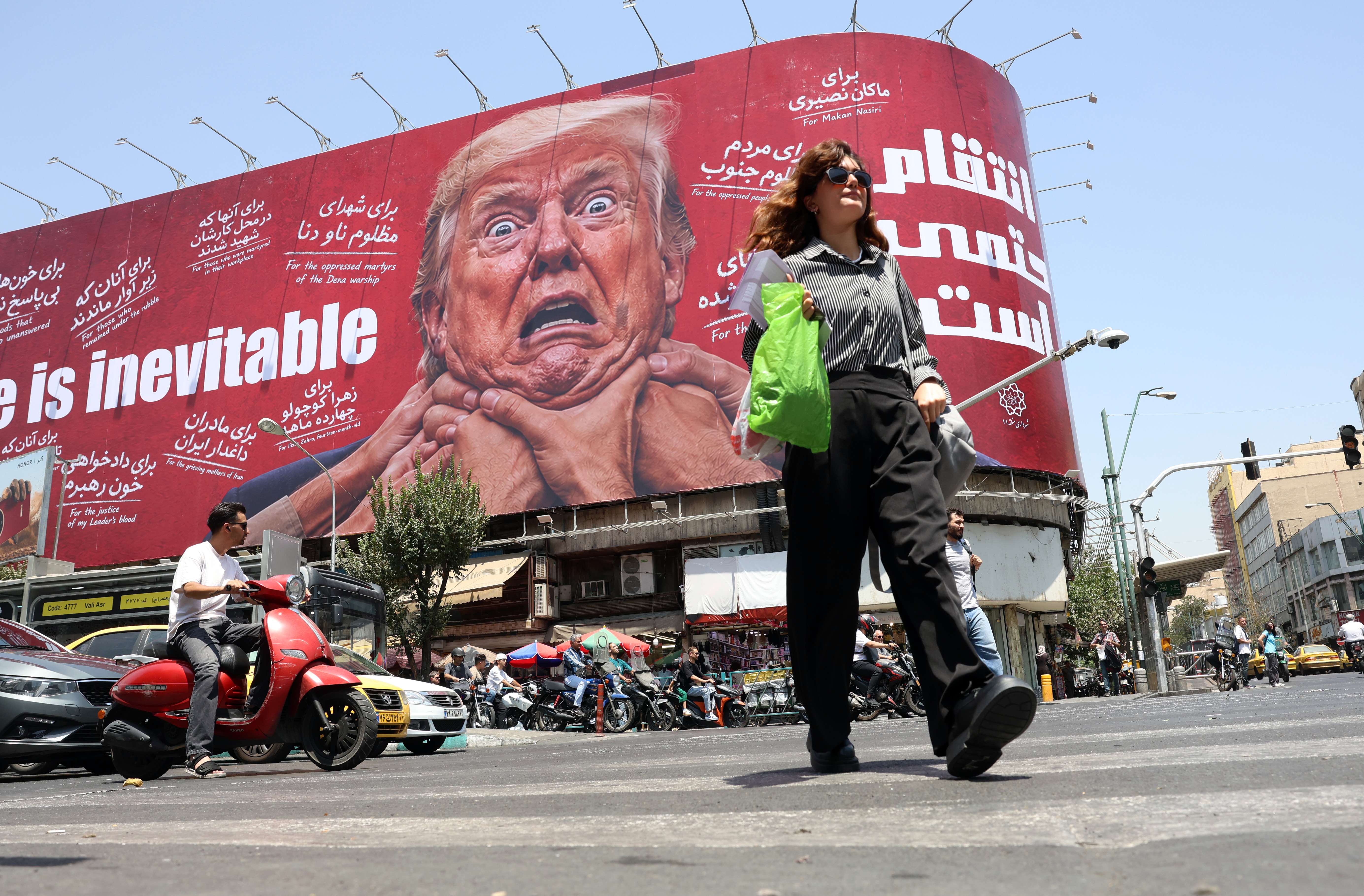 Iran denies any US talks even as Trump claims Monday meeting will yield deal progress
Iran has publicly denied engaging in talks with the United States, directly contradicting President Trump's claim that a deal is taking shape and that negotiations are set to resume Monday. Trump has not specified a deadline for reaching an agreement, leaving open how long the two sides might posture before any substantive movement. The denial deepens uncertainty over whether backchannel discussions are occurring despite Tehran's public stance, a pattern seen repeatedly during the broader standoff. Analysts say the mismatch between the two governments' public statements makes it difficult to gauge the talks' actual status.
 Iran talks resume after Trump pauses strikes, with a Hormuz shipping deal via Oman said to be near
Trump has paused planned strikes on Iran after negotiators signaled progress toward a deal, with US-Iran contacts continuing through Oman rather than direct diplomacy and talks due to resume Monday. The apparent thaw comes even as Tehran publicly denies any agreement has been finalized, leaving open whether the pause reflects real de-escalation or just a tactical delay. Regional tensions elsewhere have not slowed down in the meantime, with fresh military moves and incidents continuing on both sides. The five-month-old conflict has already reshaped US politics and markets, and skepticism remains high that the current framework will hold rather than unravel under pressure.
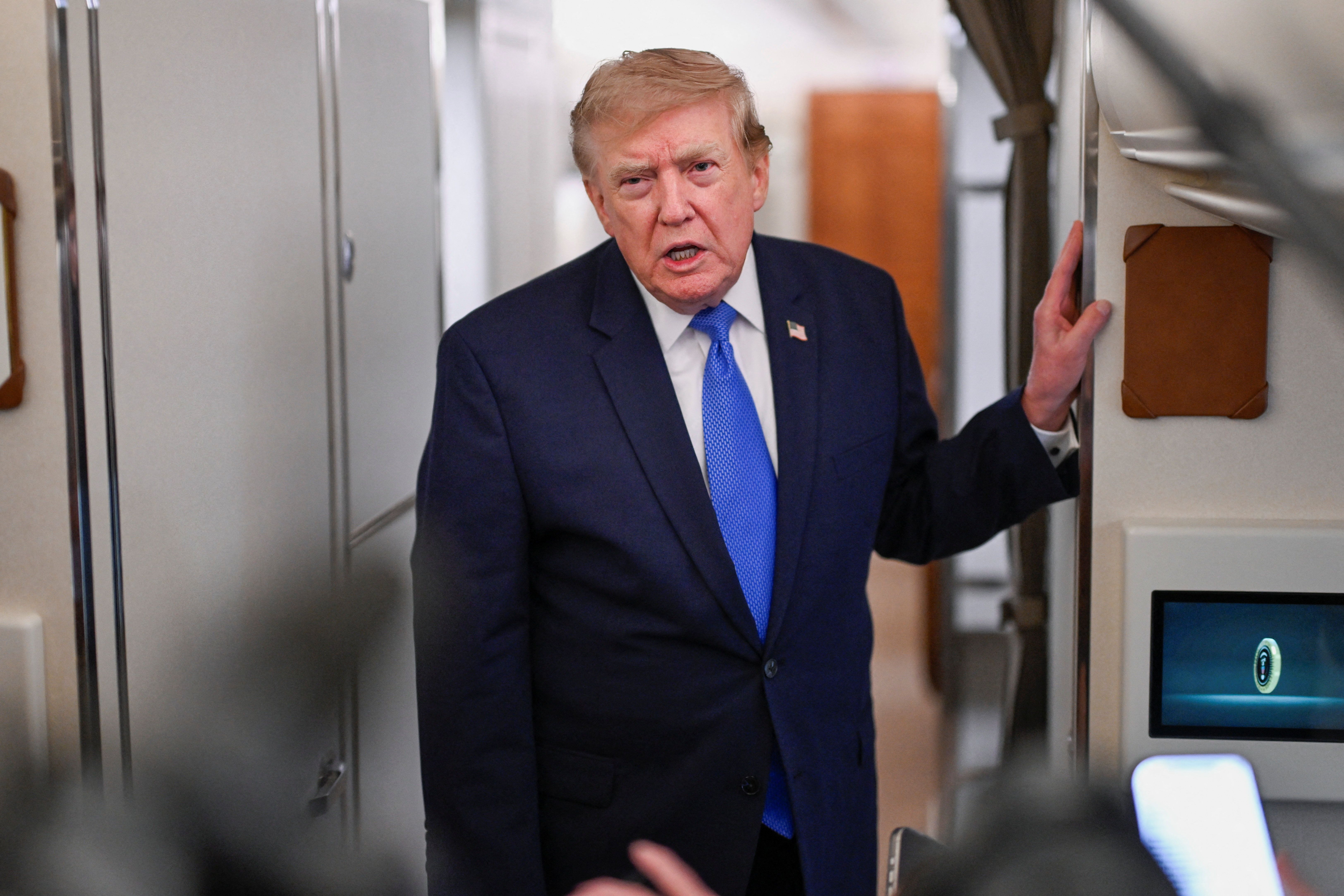 Trump claims Iran nuclear breakthrough as White House advisers split over strikes
Trump says a deal to de-escalate with Iran is now within reach, crediting personal diplomacy with Gulf leaders for pausing planned military strikes as talks continue through Oman. Tehran has pushed back publicly on the characterization, denying that any agreement has actually been finalized even as both sides describe negotiations as far along. Inside the administration, advisers reportedly remain divided over whether to keep pressing militarily or lock in the diplomatic opening, reflecting uncertainty about how durable the pause really is. Markets have already priced in cautious optimism about the outcome, even as officials on both sides caution the framework could still collapse before anything is signed.
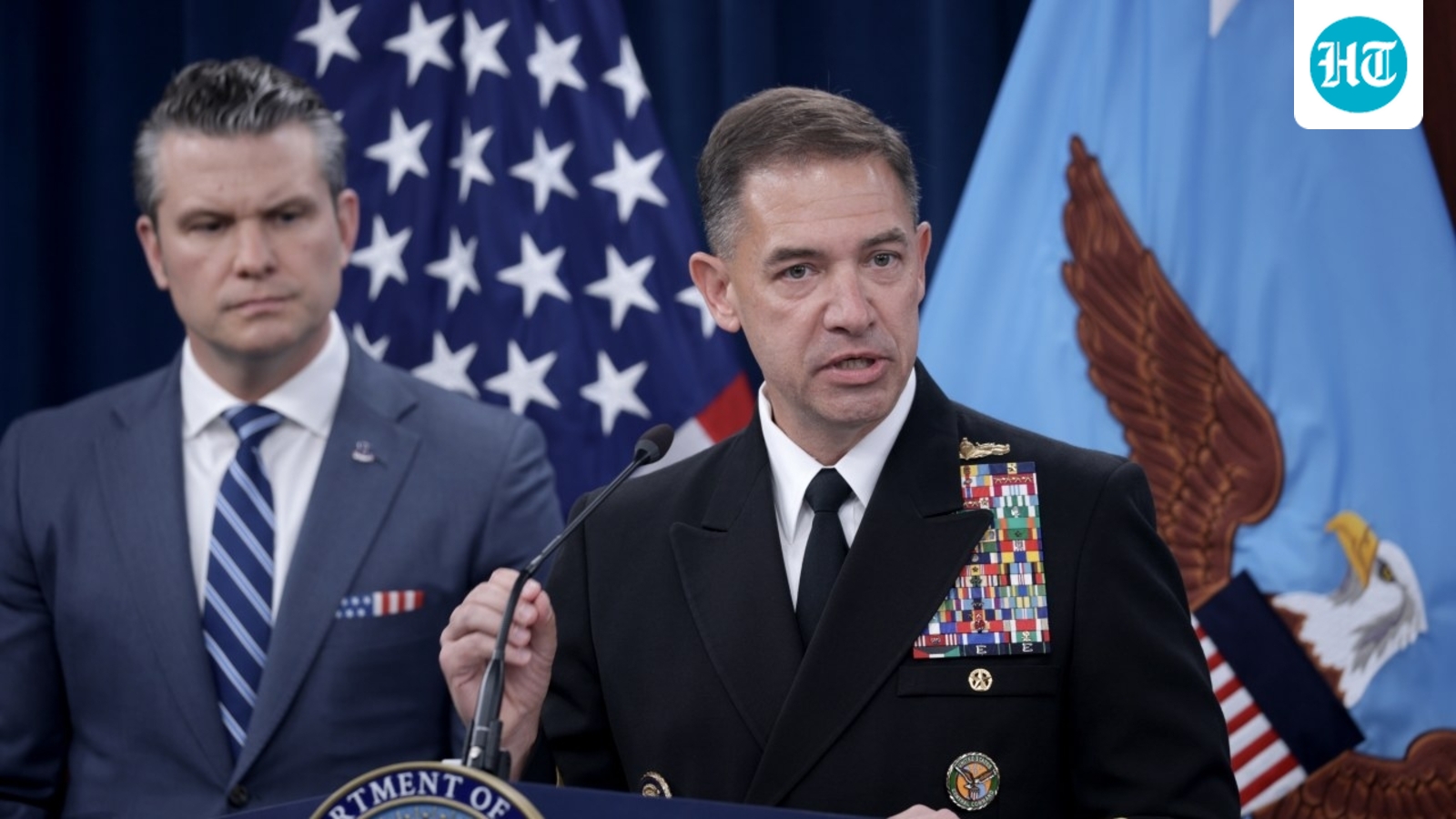 US strikes Iran as Trump signals 'escalatory mood' amid widening Middle East war
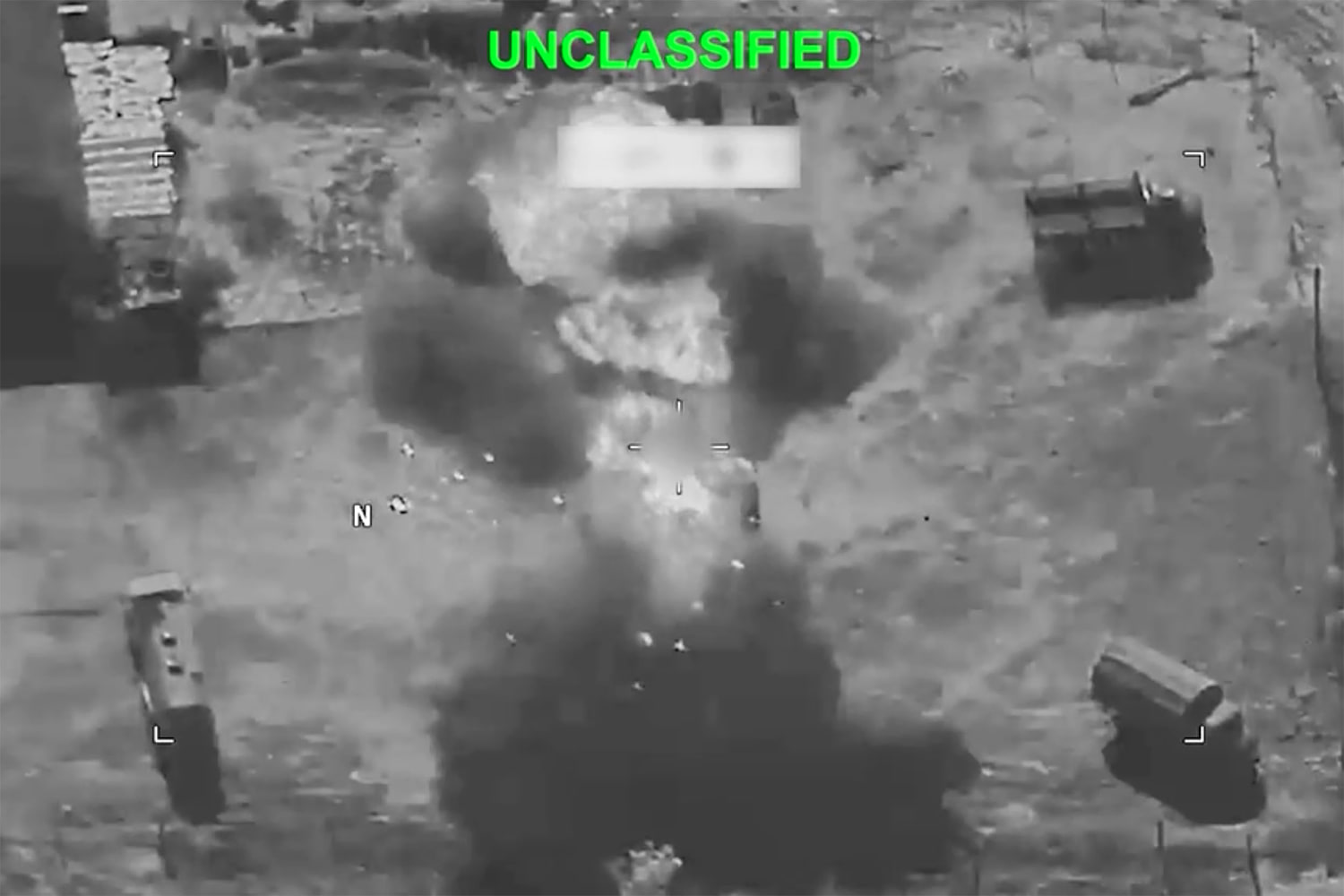
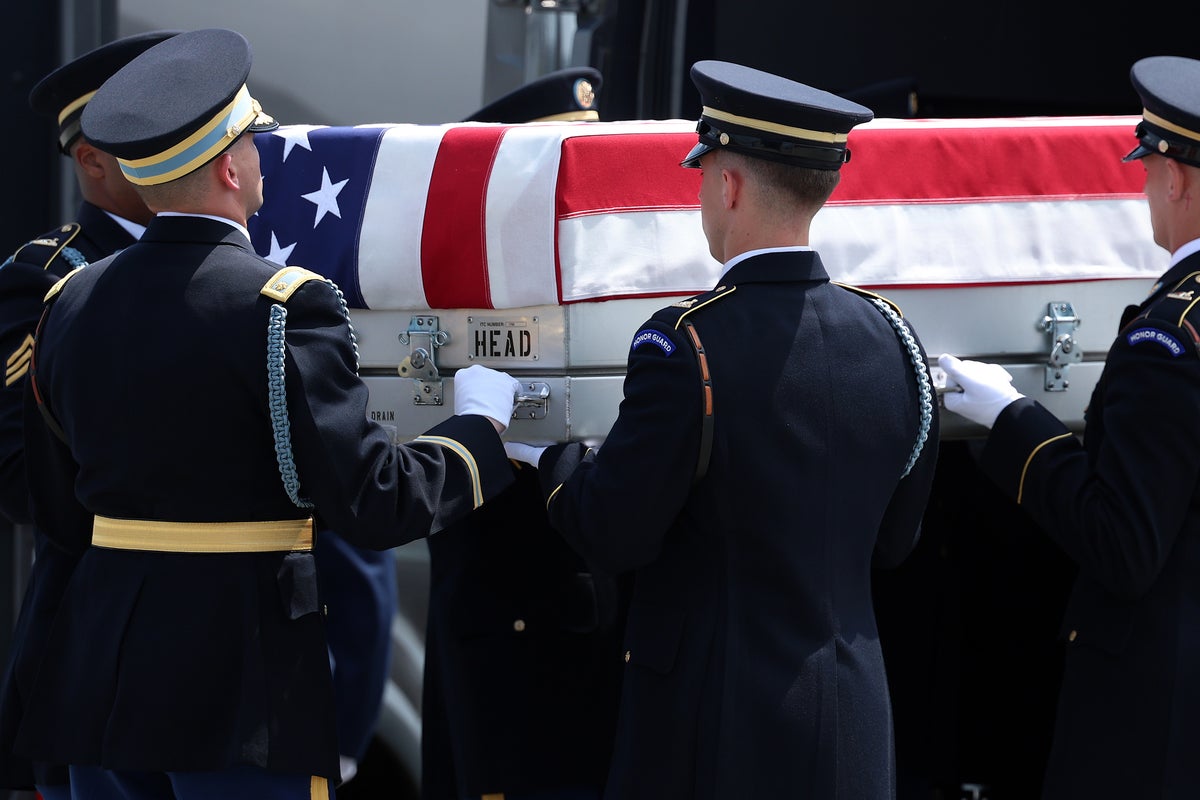
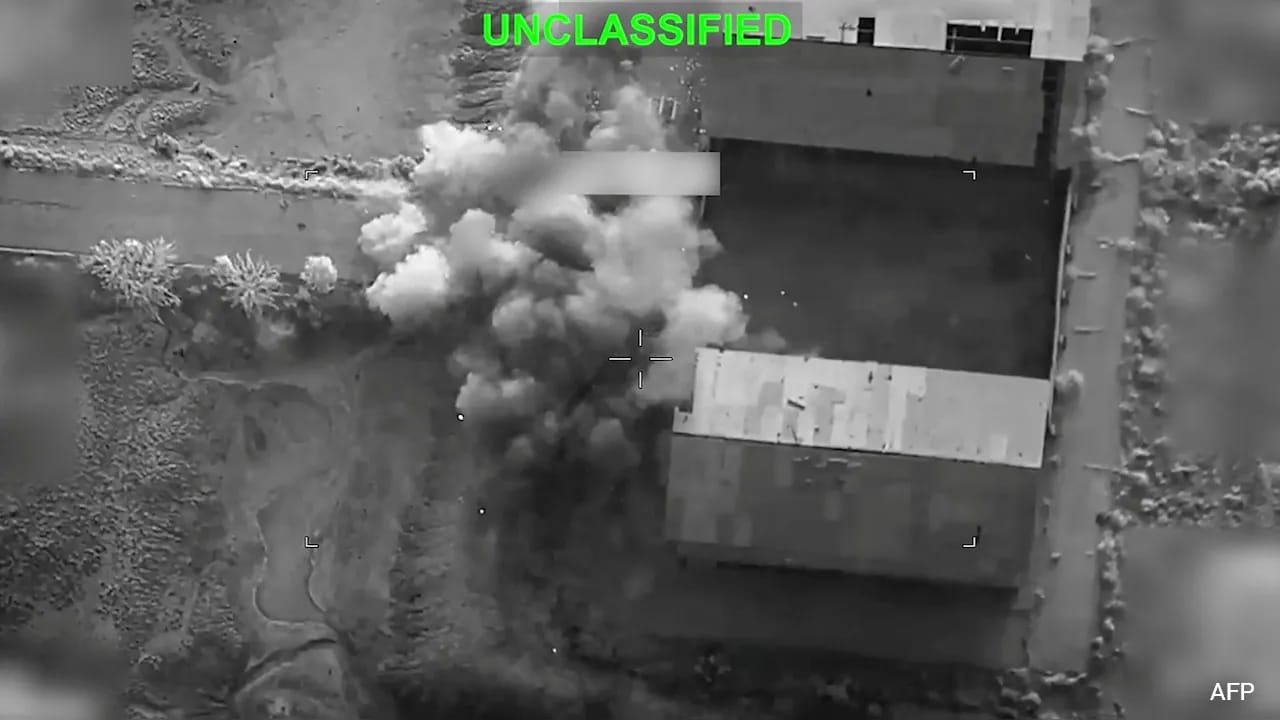
CENTCOM chief Adm. Brad Cooper reportedly finalized the strike option shortly after attending a Delaware ceremony honoring four American troops killed in the war, tying the military's planning directly to recent US casualties. The strikes come as the conflict draws in additional countries beyond the original combatants, raising the risk of a broader regional confrontation. Neither report detailed which countries beyond Iran have been drawn into the fighting, though the widening front suggests the fighting is no longer contained to its original theater. The strikes mark an intensification after weeks of more limited US involvement in the region.
- Zelenskyy presses Trump for critical air defenses in 'good meeting' at White House
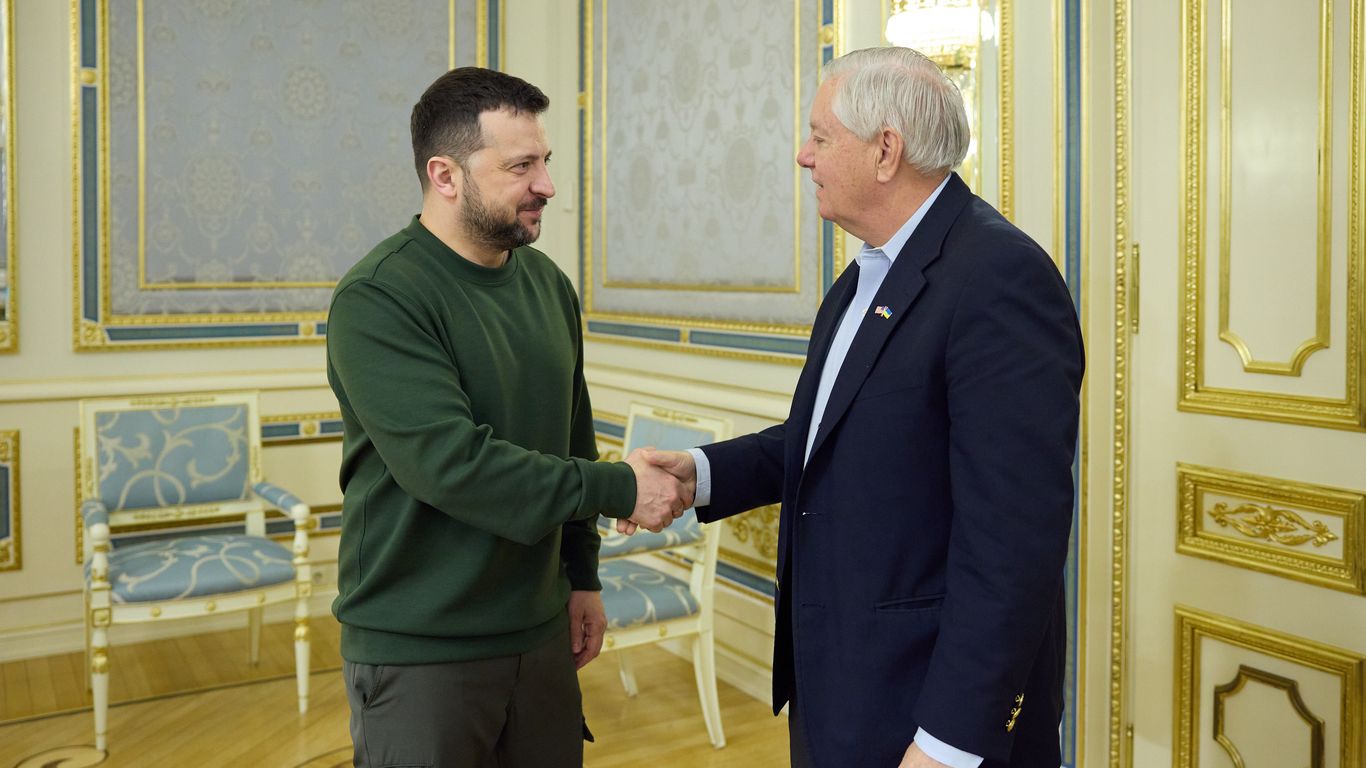
Ukrainian President Volodymyr Zelenskyy used a White House meeting with Trump to press for additional air-defense systems, particularly Patriot interceptors, as Russian missile and drone barrages continue to escalate. The two leaders also touched on prospects for peace talks, though no concrete framework or timeline emerged from the sit-down. Zelenskyy characterized the meeting as productive, a notable tone shift from earlier, more contentious Oval Office exchanges between the two leaders. The visit comes as Kyiv seeks to lock in US military commitments before winter, when Russian strikes on energy infrastructure typically intensify.
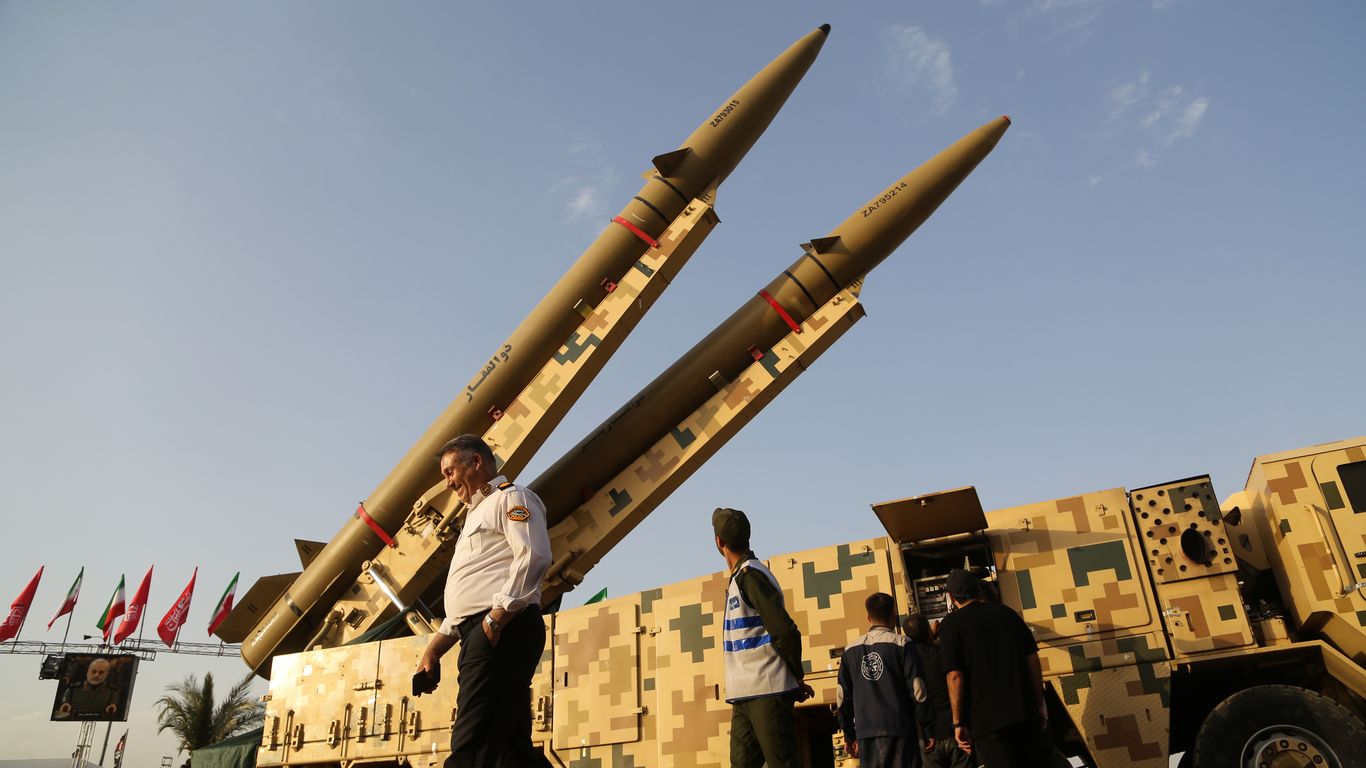 Iran fires missiles at U.S. base for first time since Trump's strike pause, jolting oil markets
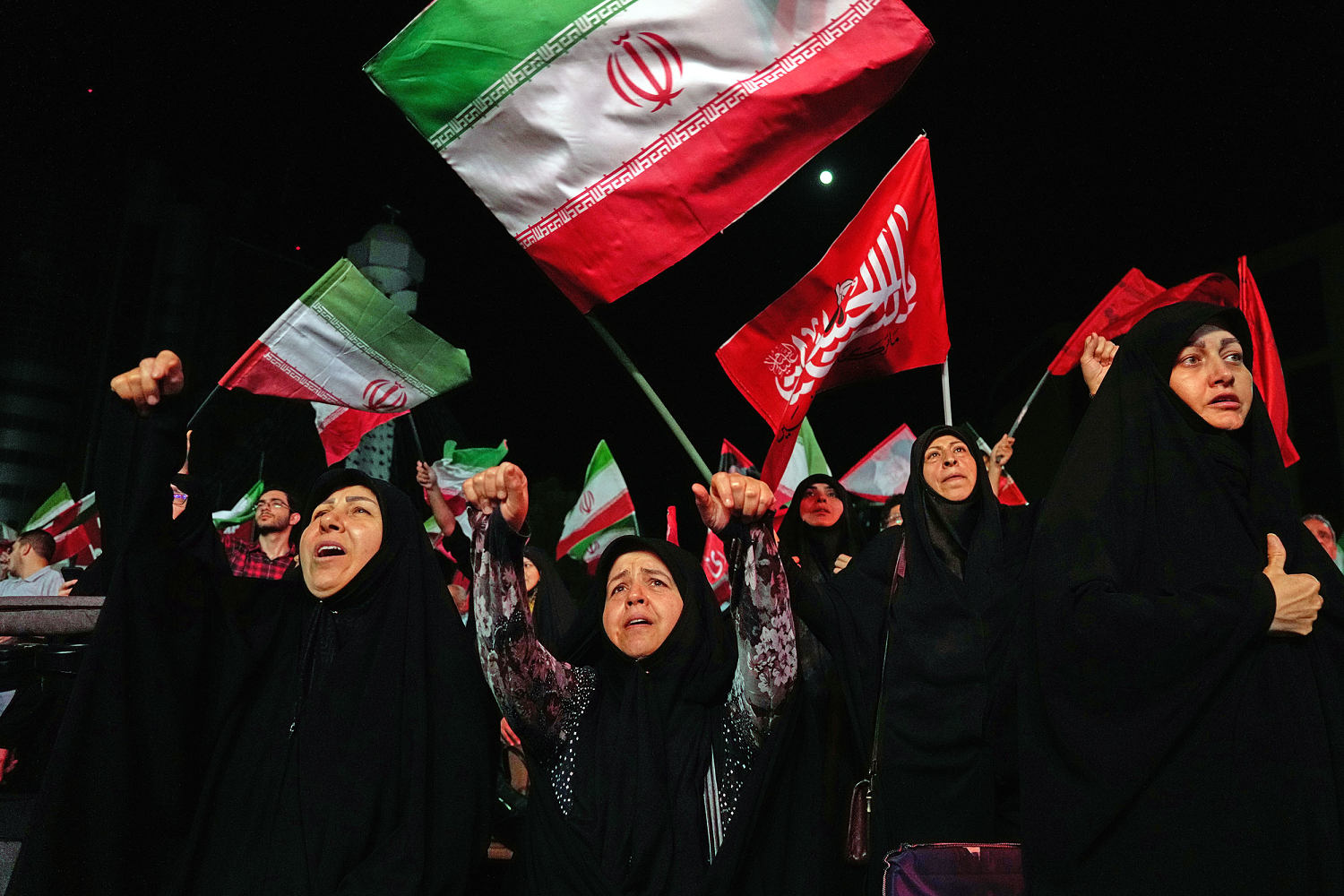
Iran launched missiles at a U.S. base for the first time since President Trump ordered a pause in American strikes, marking the most significant escalation since that pause took hold. CENTCOM has logged more than 600 attempted attacks on U.S. citizens and facilities in Iraq between February and April alone, so the base strike fits a longer pattern of hostility rather than an isolated incident. Oil reacted sharply: the Guardian reports Brent crude spiked 7.3% to over $88 a barrel, while Straight Arrow News says prices later dipped nearly 1% as Pakistan confirmed ongoing U.S.-Iran talks on Strait of Hormuz de-escalation.
 Trump vows retaliation as Iran-linked strike hits US forces; Pentagon silence draws criticism
Trump threatened further action against Iran after Iranian missiles targeted US forces around 5:45pm Tuesday, all intercepted, with analyst Behnam Ben Taleblu describing the regime as 'more confident, perhaps less capable, but more dangerous.' Iraqi militia group PMF says at least 20 people died in the US retaliatory strikes that followed, even as CSIS estimates suggest Iran's remaining missile arsenal is smaller than assumed. Retired officials Adm. John Kirby and Gen. Mark Hertling warn that unclear US strategy is straining military readiness, and that Pentagon silence on details is eroding public trust. Iran has separately warned over an attack on a vessel in the Caspian Sea, hinting the confrontation may be widening beyond direct US-Iran exchanges.
 Trump administration accelerates tariff strategy amid China trade tensions
The administration's approach signals continued reliance on tariffs as leverage in negotiations with Beijing rather than a shift toward other tools like export controls or diplomatic talks alone. Trade tensions between the two countries have persisted across multiple rounds of tariff actions and retaliations in recent years, with neither side fully backing down from its positions. The renewed push comes as businesses on both sides continue adjusting supply chains in anticipation of prolonged friction rather than a near-term resolution. None of the coverage detailed new tariff rates or a timeline for implementation.
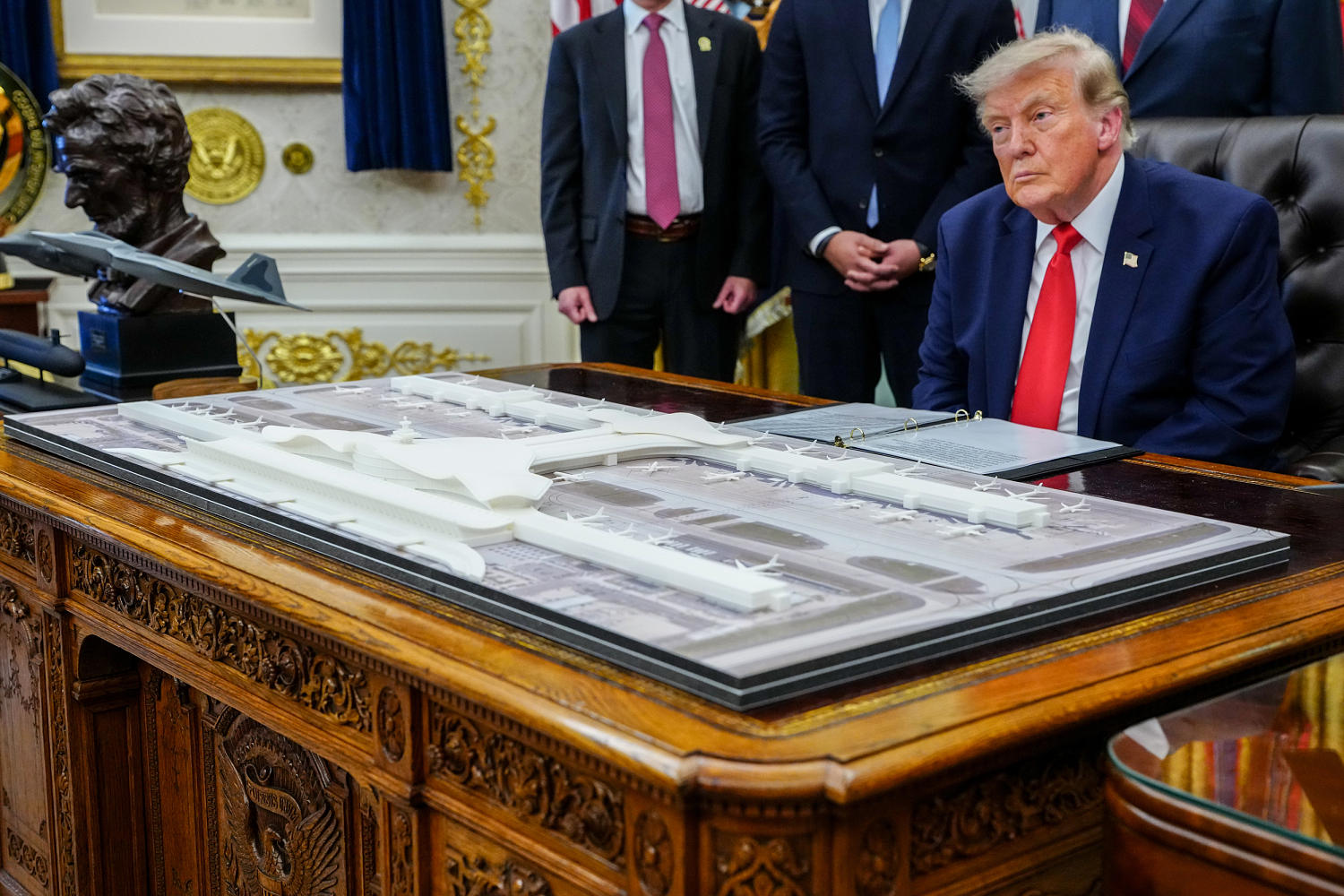 Trump unveils $22B Dulles Airport overhaul, calls current terminals 'basic disasters'
Trump personally reviewed more than 30 design proposals using 3D tabletop models before settling on the plan, underscoring a level of hands-on involvement unusual for an infrastructure announcement of this scale. He called the airport's existing terminals 'basic disasters' and 'a terrible place to be, regardless of party,' framing the $22 billion project as overdue rather than optional. Transportation Secretary Sean Duffy joined Trump as co-announcer, tying the plan formally to the federal transportation department rather than treating it as a symbolic gesture. The design replaces the aging underground 'people mover' shuttle system with a new tunnel linking terminals directly, alongside new concourses.