Topic
Iran–U.S. Conflict
Strikes, sanctions, and diplomacy between Iran and the United States.
37 stories in the last 60 days
 UK fuel theft nears £200,000 a day as pump prices hit new highs since Iran war began
UK fuel theft has surged to nearly £200,000 worth of stolen petrol and diesel every day since the war with Iran began, tracking closely with pump prices now at their highest level in years. Retailers say opportunistic theft tends to climb in step with fuel costs, and the industry is weighing tougher anti-theft measures at forecourts nationwide. The squeeze adds to pressure on British households already facing some of Europe's steepest pump prices, tying a domestic crime wave directly to a foreign conflict thousands of miles away. The scale of the losses — extrapolated from data covering only a fraction of the country's stations — suggests the true nationwide toll could be even higher than reported.
- Iran rejects Omani-brokered plan for regional control of Strait of Hormuz, says talks exclude US
Iran has rejected an Omani-brokered proposal that would have placed regional oversight over the Strait of Hormuz, with Tehran insisting any ongoing talks on the shipping route involve only Oman and explicitly exclude the United States. The rebuff dims hopes for a near-term breakthrough on securing the critical oil-transit corridor amid heightened regional tension. Iran's insistence on keeping Washington out of the negotiations signals it still views the strait as a bilateral or regional matter rather than one for US mediation. No new proposal has been floated to replace the rejected framework.
 Trump's Iran de-escalation seen as ceding leverage to Tehran, despite his midterm denial
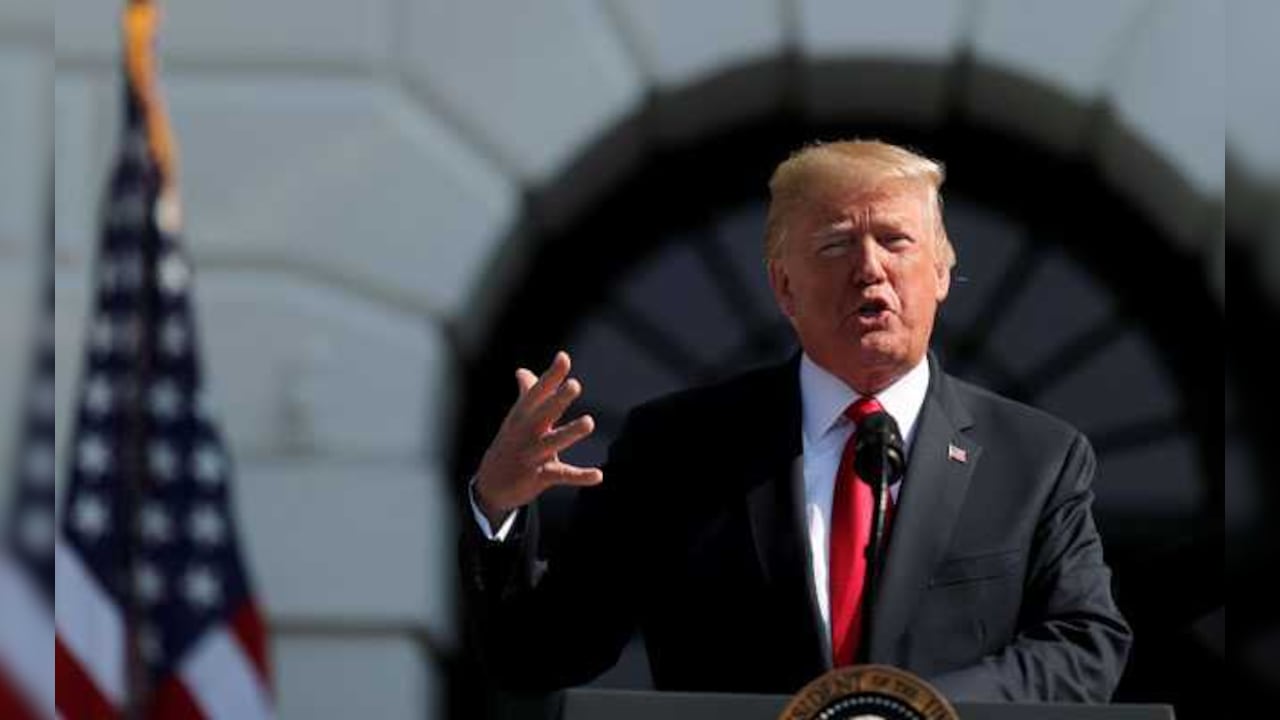
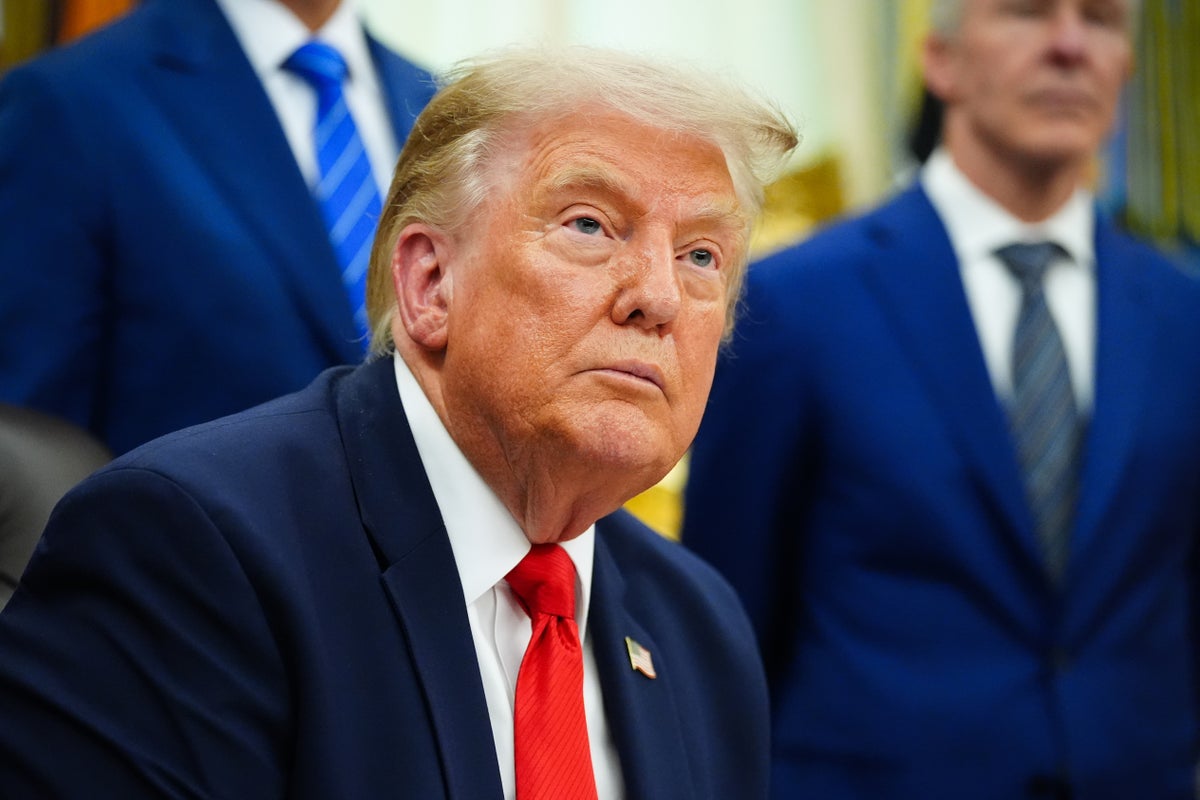
Trump has pulled back from further military escalation with Iran after weeks of mixed signals from Washington about whether pressure or negotiation was the preferred path forward. The retreat lands awkwardly for an administration eager to project toughness heading into the midterms, even as officials frame it purely as a diplomatic opening rather than any political calculation. How the reversal plays with hawkish members of Trump's own coalition, several of whom have pushed for a harder line on Tehran, remains one of the more closely watched subplots of the episode. The White House has offered no timeline for when a formal agreement might be reached, leaving the current pause more fragile than a settled deal.
 Iran denies any US talks even as Trump claims Monday meeting will yield deal progress
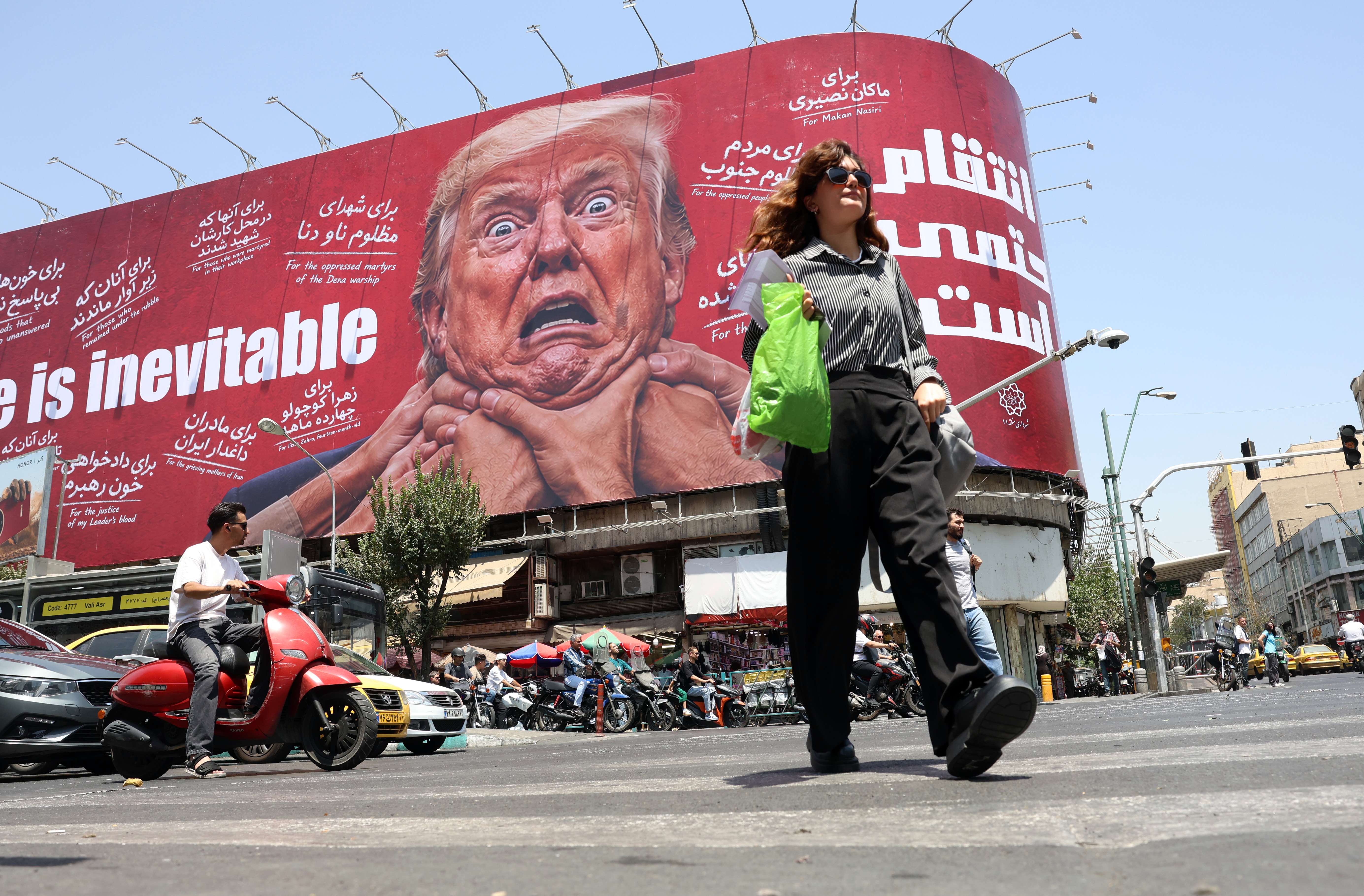
Iran has publicly denied engaging in talks with the United States, directly contradicting President Trump's claim that a deal is taking shape and that negotiations are set to resume Monday. Trump has not specified a deadline for reaching an agreement, leaving open how long the two sides might posture before any substantive movement. The denial deepens uncertainty over whether backchannel discussions are occurring despite Tehran's public stance, a pattern seen repeatedly during the broader standoff. Analysts say the mismatch between the two governments' public statements makes it difficult to gauge the talks' actual status.
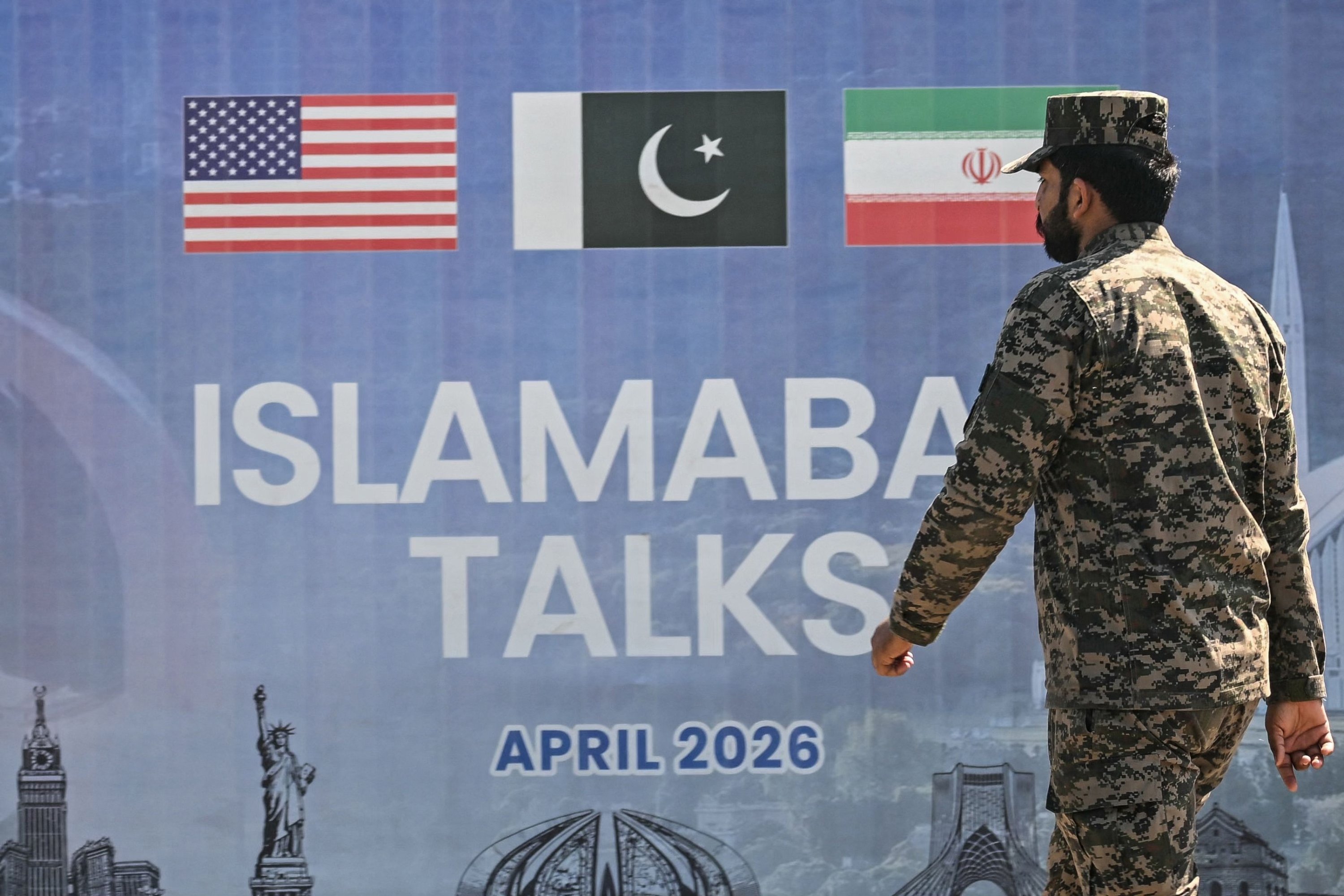
 Iran talks resume after Trump pauses strikes, with a Hormuz shipping deal via Oman said to be near
Trump has paused planned strikes on Iran after negotiators signaled progress toward a deal, with US-Iran contacts continuing through Oman rather than direct diplomacy and talks due to resume Monday. The apparent thaw comes even as Tehran publicly denies any agreement has been finalized, leaving open whether the pause reflects real de-escalation or just a tactical delay. Regional tensions elsewhere have not slowed down in the meantime, with fresh military moves and incidents continuing on both sides. The five-month-old conflict has already reshaped US politics and markets, and skepticism remains high that the current framework will hold rather than unravel under pressure.
 Trump claims Iran nuclear breakthrough as White House advisers split over strikes
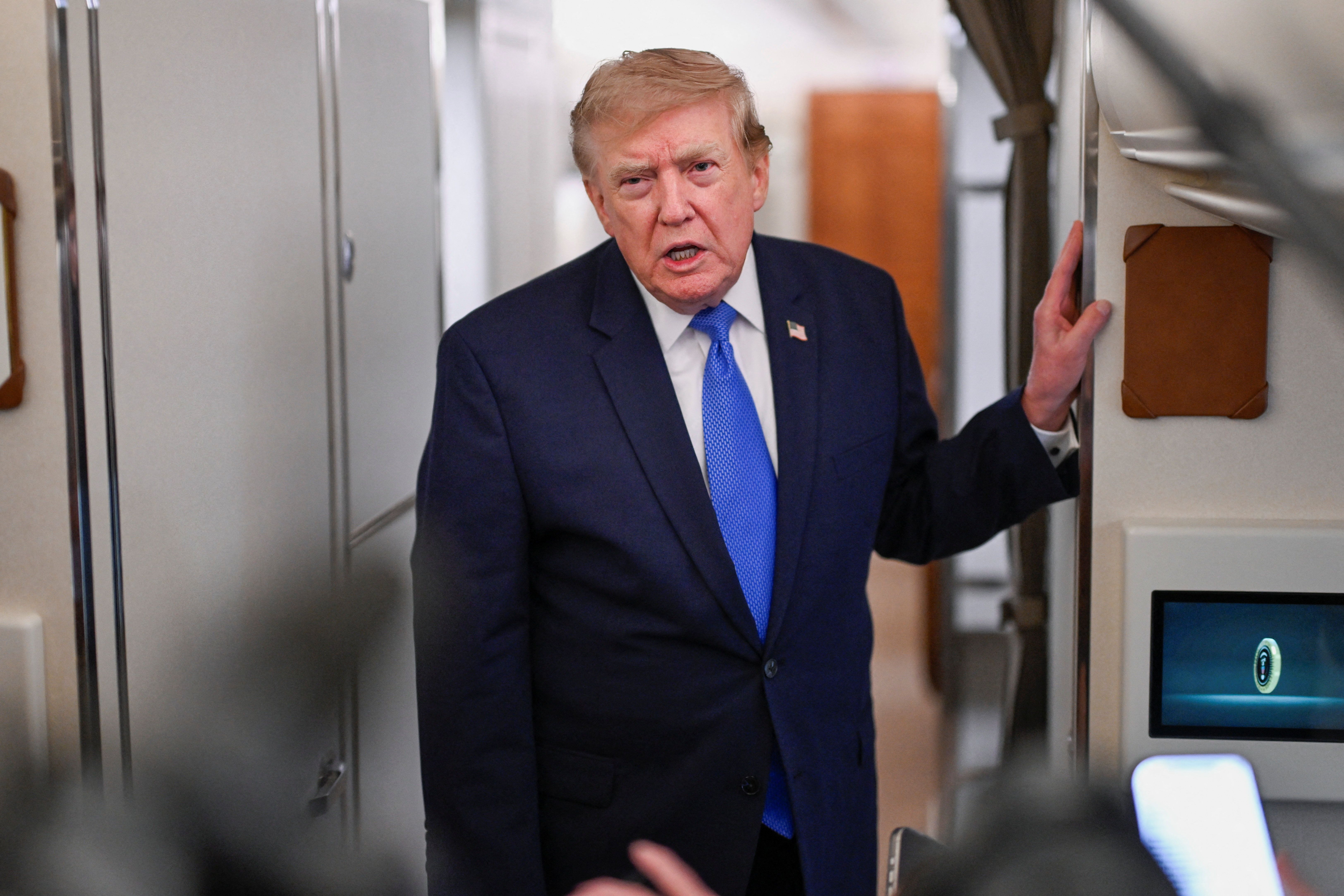
Trump says a deal to de-escalate with Iran is now within reach, crediting personal diplomacy with Gulf leaders for pausing planned military strikes as talks continue through Oman. Tehran has pushed back publicly on the characterization, denying that any agreement has actually been finalized even as both sides describe negotiations as far along. Inside the administration, advisers reportedly remain divided over whether to keep pressing militarily or lock in the diplomatic opening, reflecting uncertainty about how durable the pause really is. Markets have already priced in cautious optimism about the outcome, even as officials on both sides caution the framework could still collapse before anything is signed.
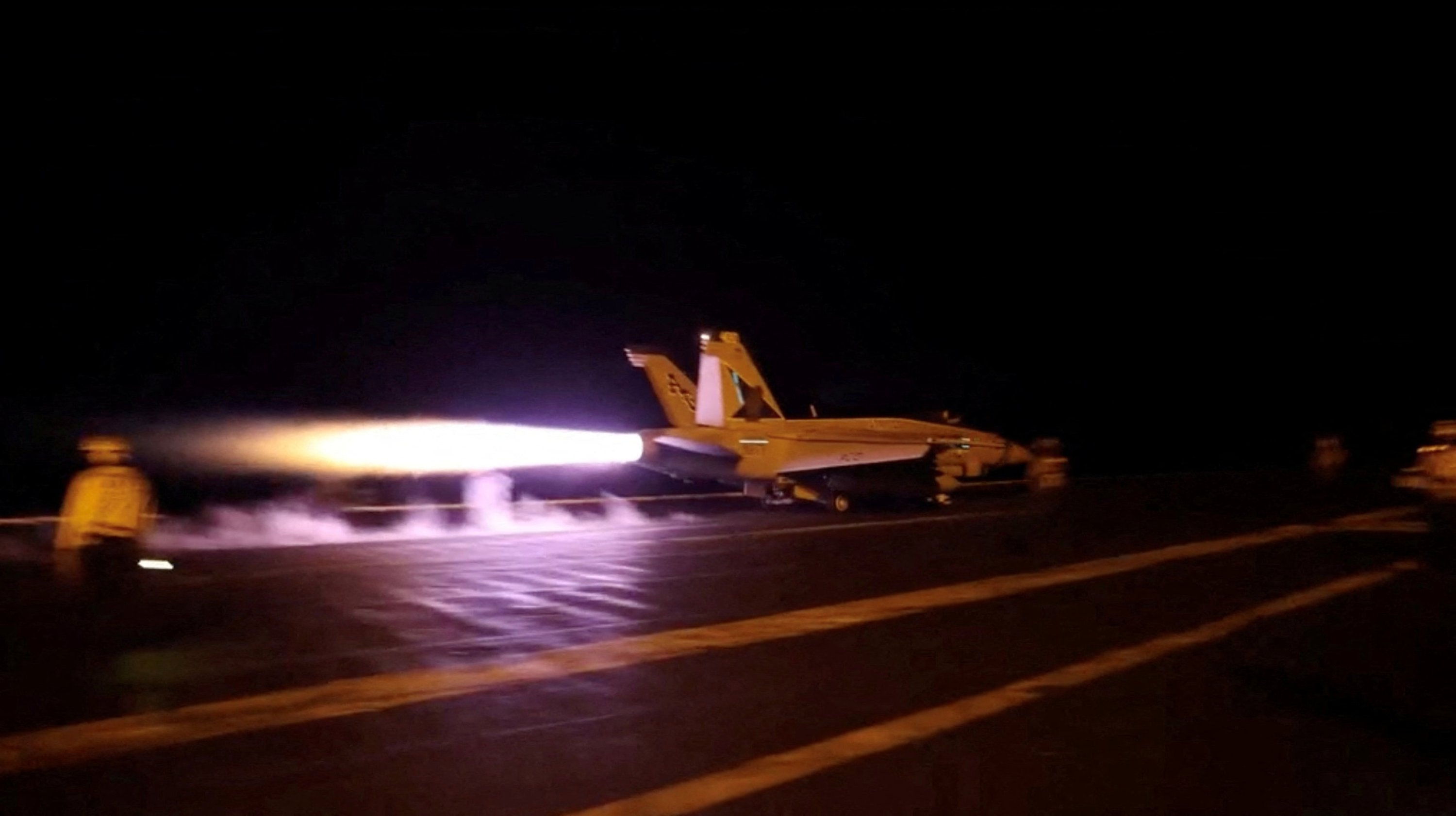
 US strikes Iran as Trump signals 'escalatory mood' amid widening Middle East war
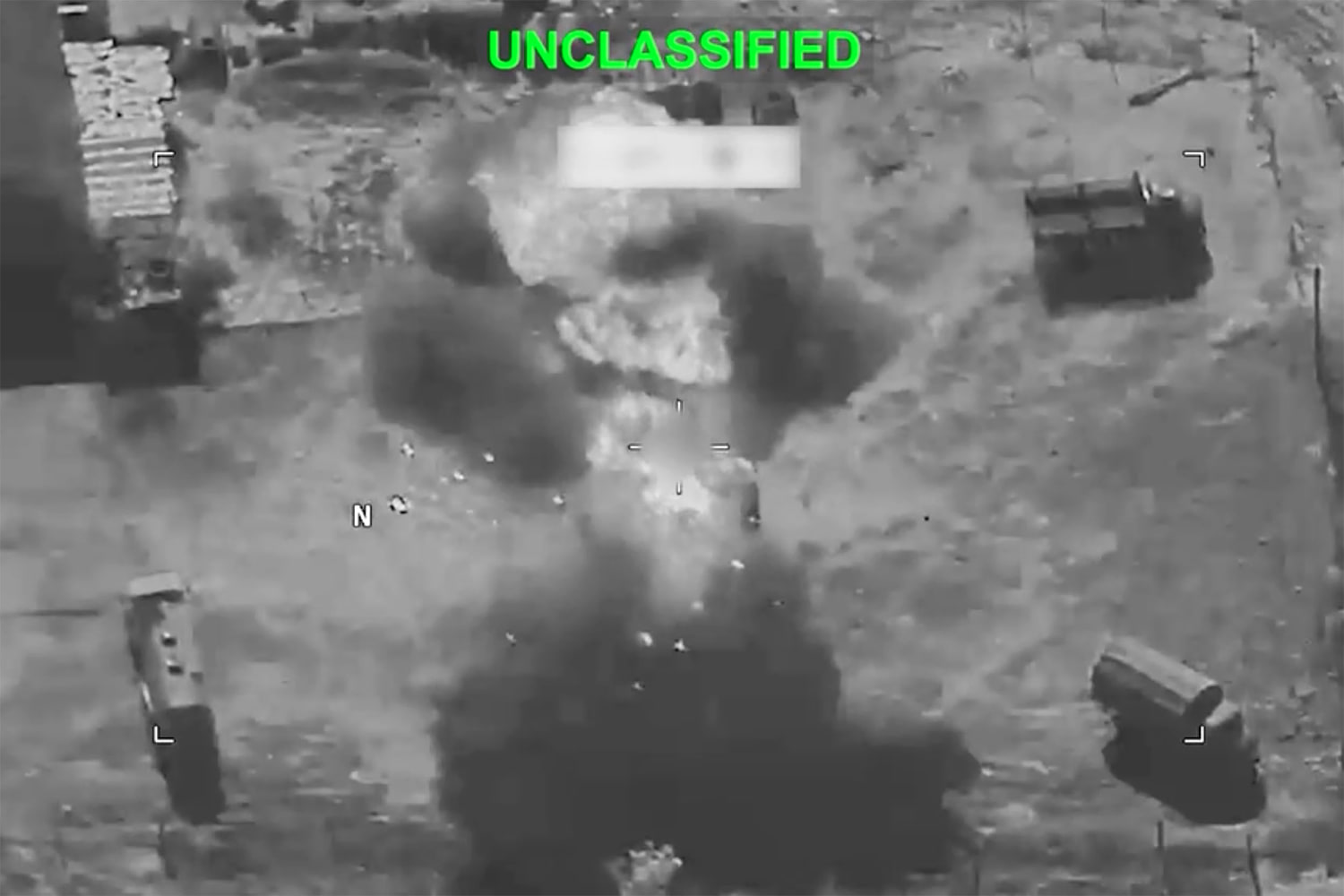
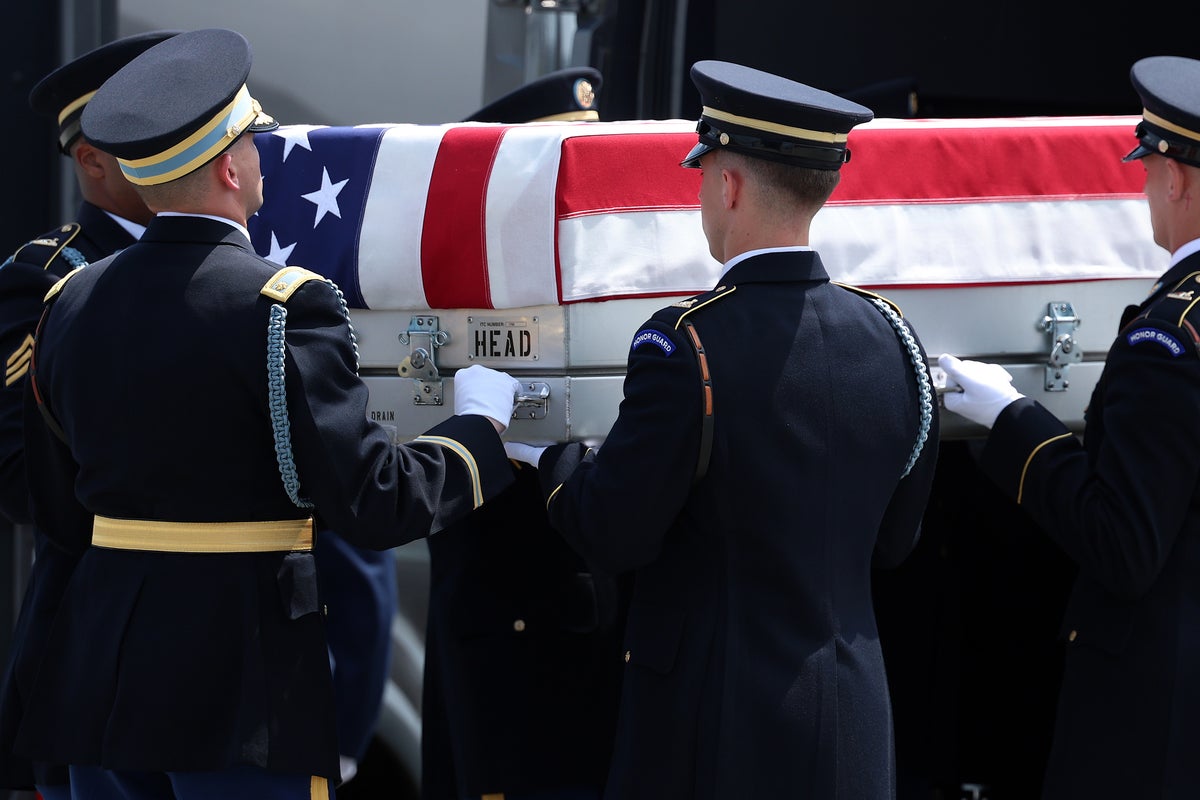
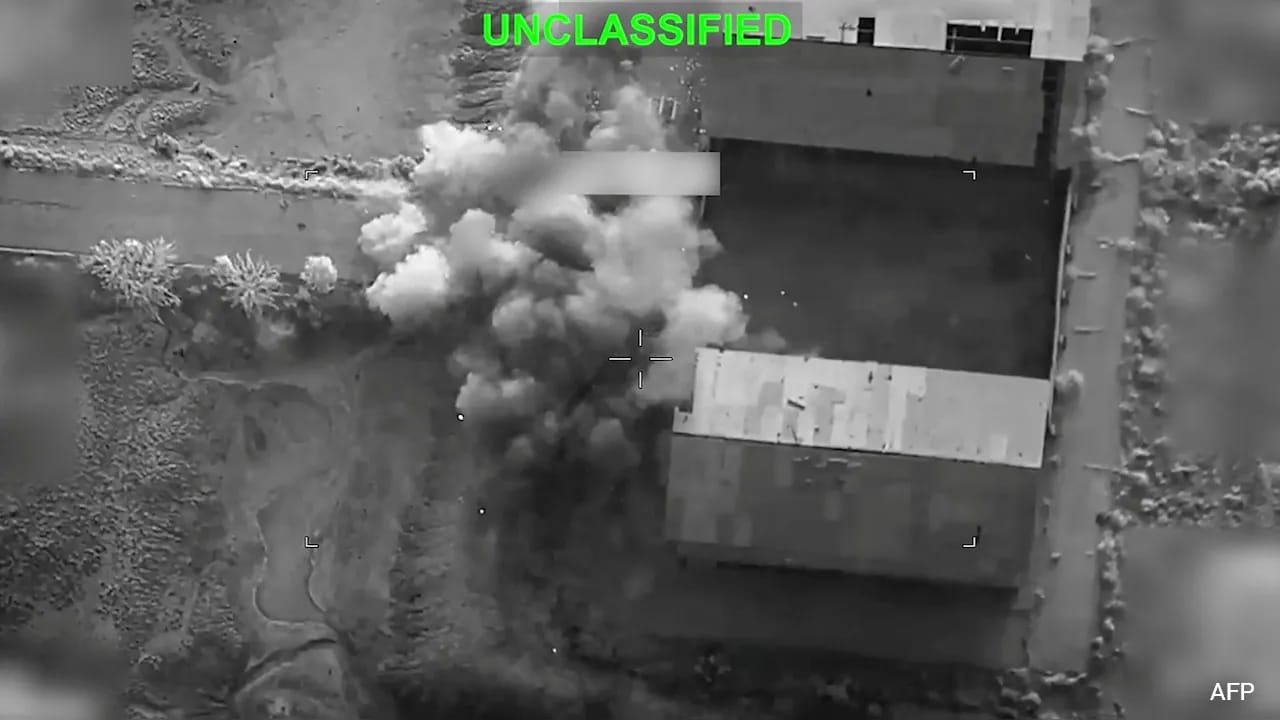
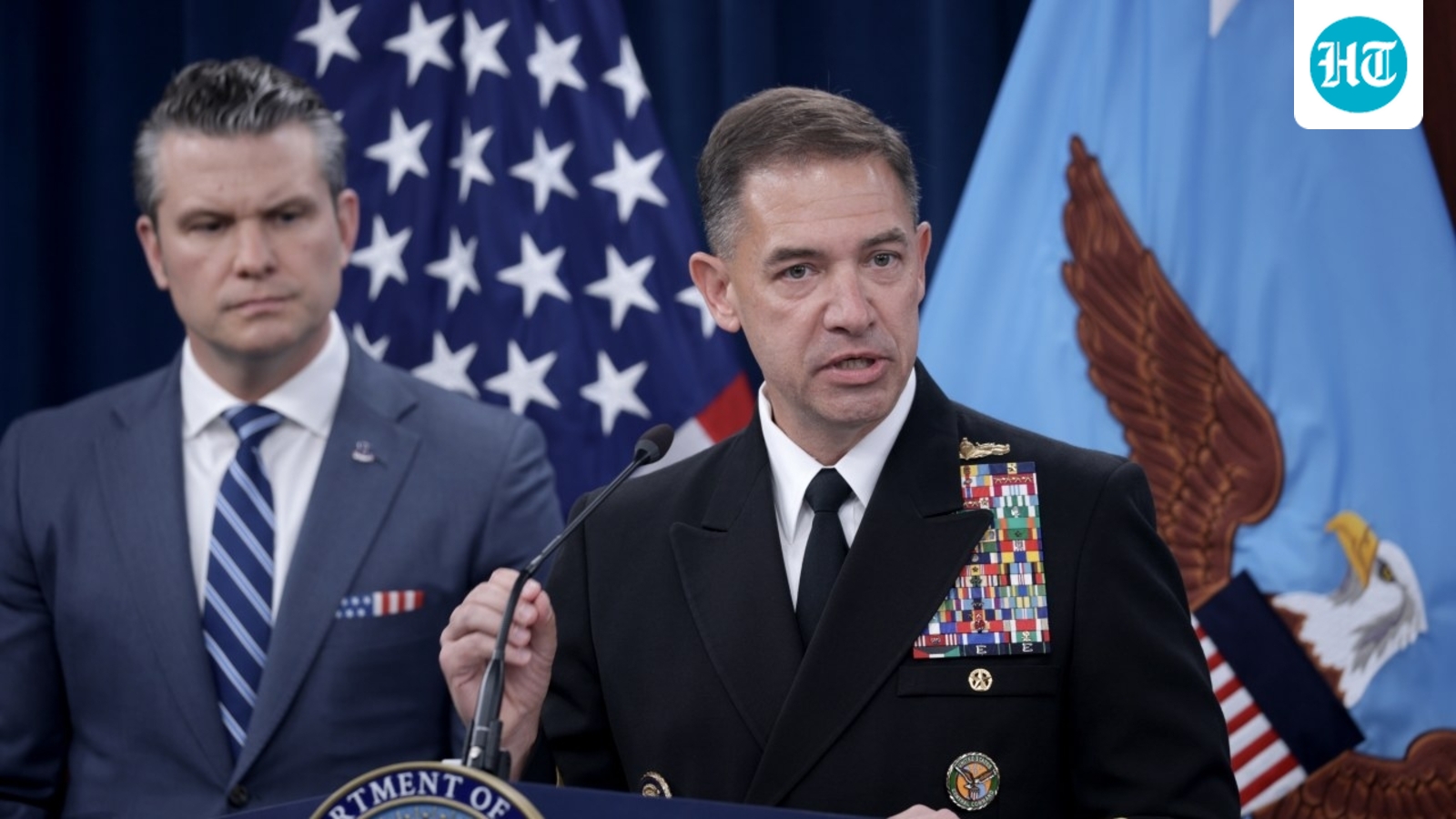
CENTCOM chief Adm. Brad Cooper reportedly finalized the strike option shortly after attending a Delaware ceremony honoring four American troops killed in the war, tying the military's planning directly to recent US casualties. The strikes come as the conflict draws in additional countries beyond the original combatants, raising the risk of a broader regional confrontation. Neither report detailed which countries beyond Iran have been drawn into the fighting, though the widening front suggests the fighting is no longer contained to its original theater. The strikes mark an intensification after weeks of more limited US involvement in the region.
 Iran fires missiles at U.S. base for first time since Trump's strike pause, jolting oil markets
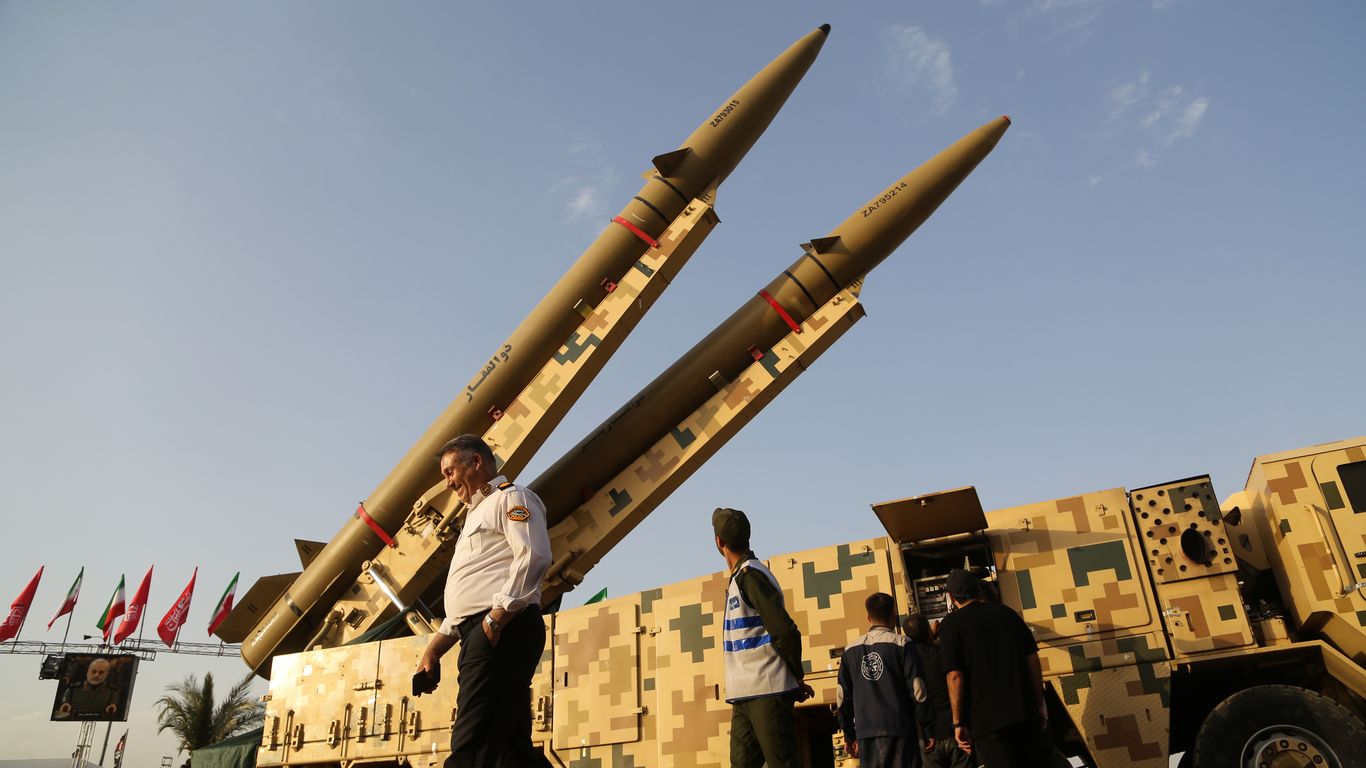
Iran launched missiles at a U.S. base for the first time since President Trump ordered a pause in American strikes, marking the most significant escalation since that pause took hold. CENTCOM has logged more than 600 attempted attacks on U.S. citizens and facilities in Iraq between February and April alone, so the base strike fits a longer pattern of hostility rather than an isolated incident. Oil reacted sharply: the Guardian reports Brent crude spiked 7.3% to over $88 a barrel, while Straight Arrow News says prices later dipped nearly 1% as Pakistan confirmed ongoing U.S.-Iran talks on Strait of Hormuz de-escalation.
 Trump vows retaliation as Iran-linked strike hits US forces; Pentagon silence draws criticism
Trump threatened further action against Iran after Iranian missiles targeted US forces around 5:45pm Tuesday, all intercepted, with analyst Behnam Ben Taleblu describing the regime as 'more confident, perhaps less capable, but more dangerous.' Iraqi militia group PMF says at least 20 people died in the US retaliatory strikes that followed, even as CSIS estimates suggest Iran's remaining missile arsenal is smaller than assumed. Retired officials Adm. John Kirby and Gen. Mark Hertling warn that unclear US strategy is straining military readiness, and that Pentagon silence on details is eroding public trust. Iran has separately warned over an attack on a vessel in the Caspian Sea, hinting the confrontation may be widening beyond direct US-Iran exchanges.
- BoE and Fed both hold rates steady as Iran-linked inflation risk complicates outlook
Central banks on both sides of the Atlantic held interest rates steady this week, with policymakers citing new inflation risk from the Iran escalation as a complicating factor for future moves. The Bank of England opted for continuity, while the Federal Reserve's hold reflects similar caution about imported energy-price shocks. Neither institution committed to a specific timeline for its next move, leaving markets to parse the language for signals. The decisions illustrate how a regional conflict thousands of miles away is now a direct input into rate-setting on two continents.
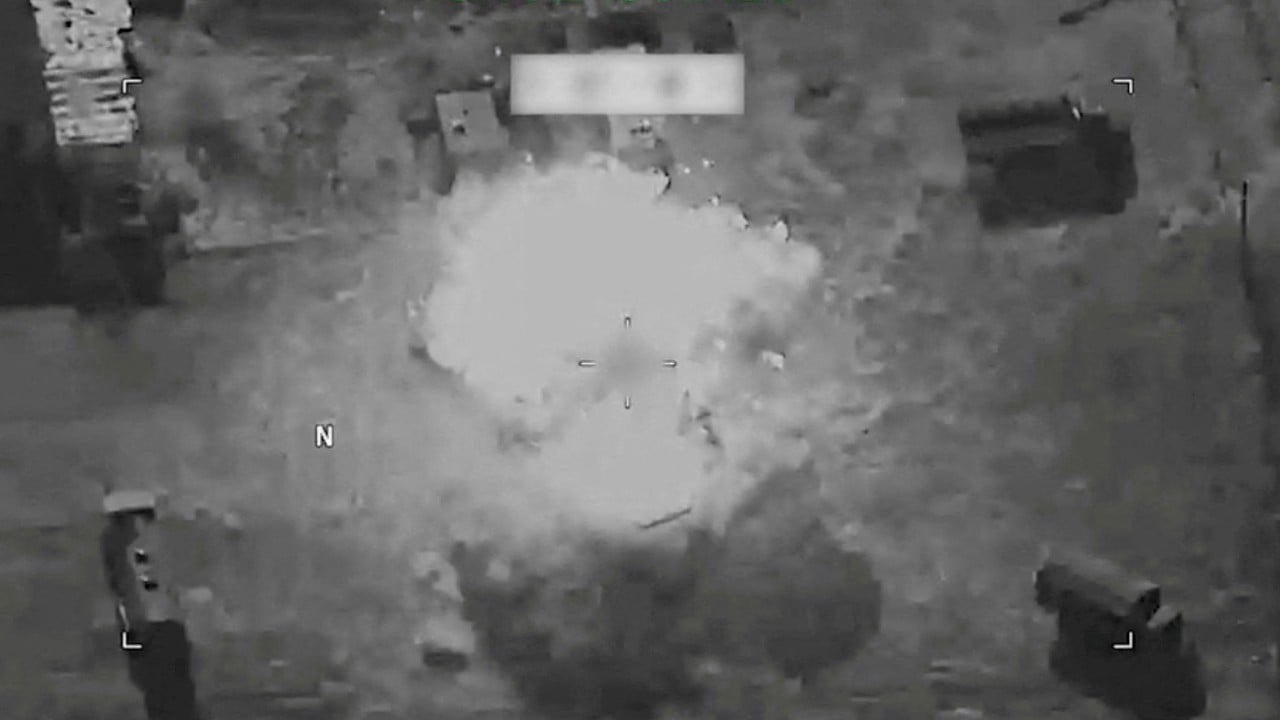
 US strikes on Iran draw regional fallout as toll rises, Hormuz shipping disrupted
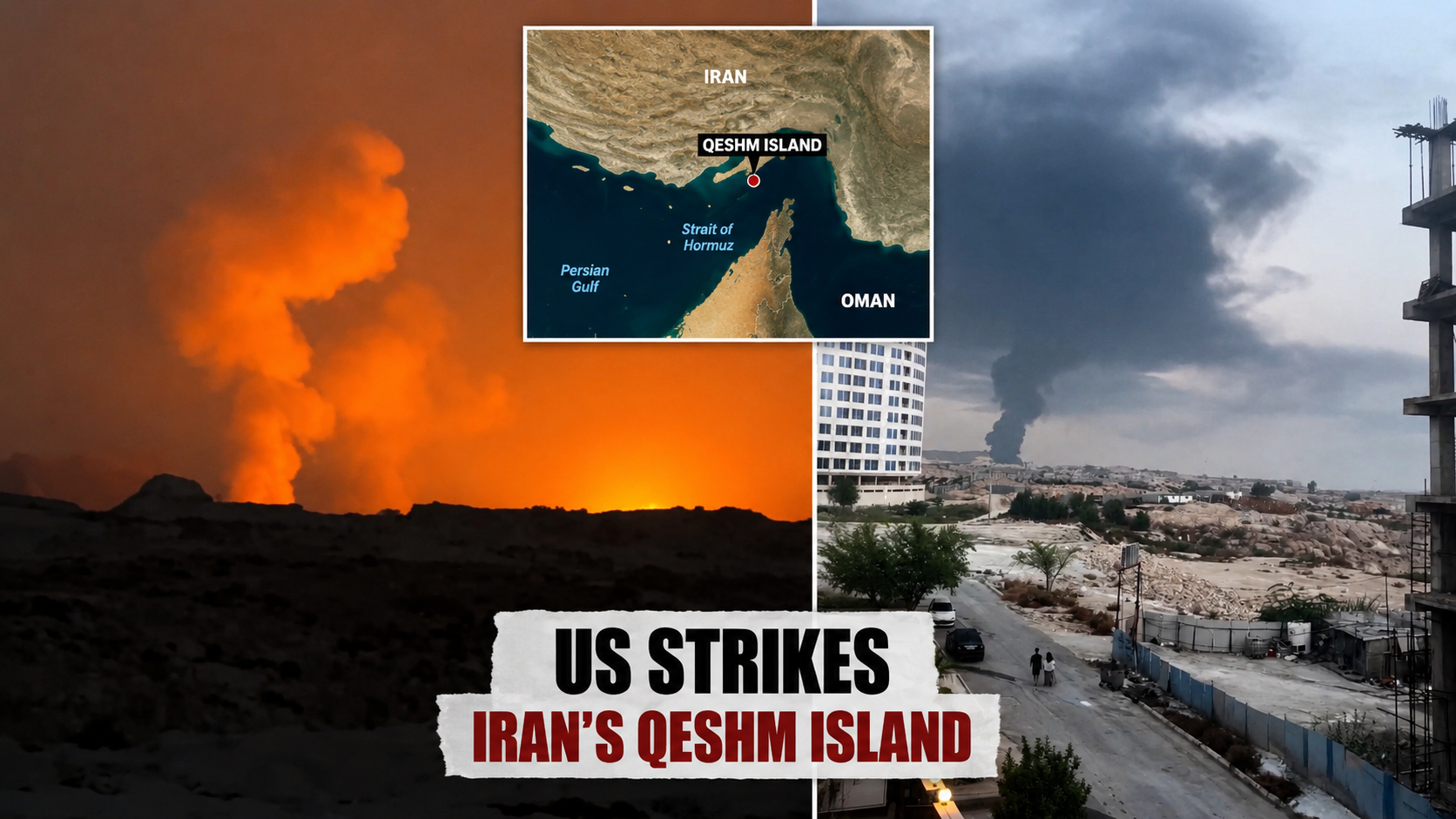
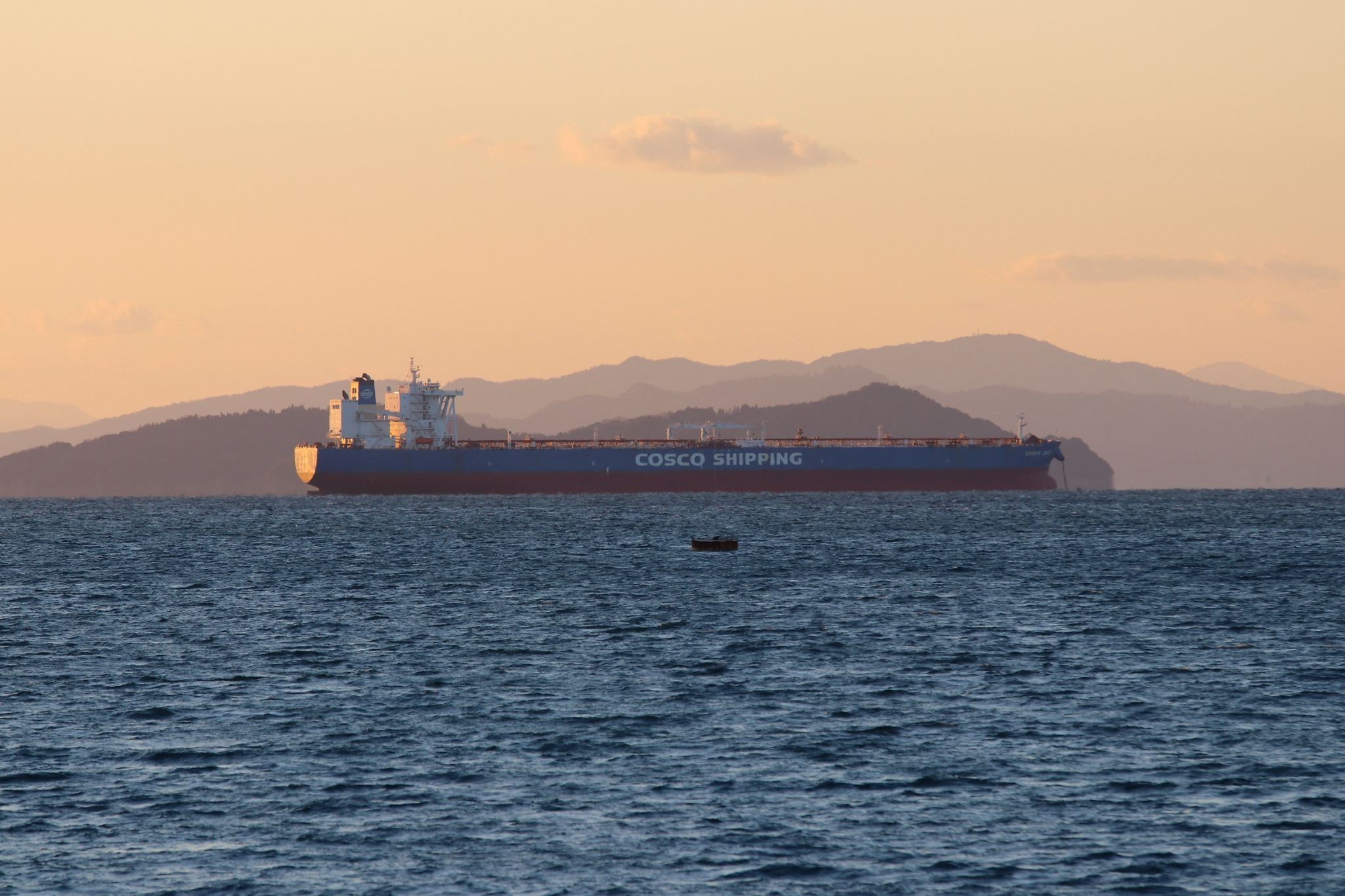
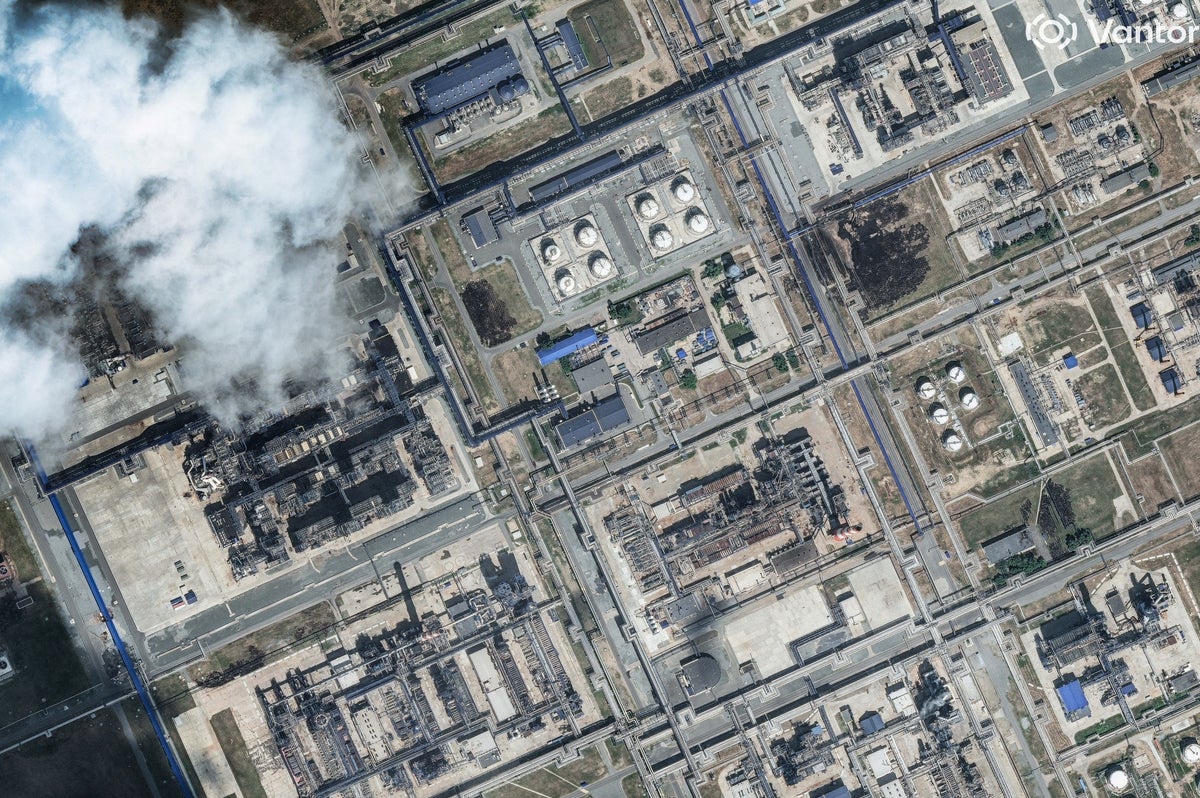
Regional fallout is intensifying after the US strikes on Iran, with Jordan intercepting Iranian missiles fired at its own territory and Iran's IRGC claiming its retaliatory strike on a US base there destroyed several F-35 fighter jets. Iran says the two-hour strike wave, which hit dozens of targets including the Qeshm and Abadan oil islands, killed several civilians, including at least one toddler — prompting Saudi Arabia's defense minister to privately urge Trump toward de-escalation. Shipping through the Strait of Hormuz has been disrupted, with tankers turning back and fires breaking out on gas vessels in an Egyptian port. The strikes, the first after a nearly week-long lull, retaliate for an earlier attack that killed American troops at the same Jordan base.